Cessna Nose Gear Strut Assembly: Replacement Nose Landing Gear Component
Cessna Nose Gear Strut Assembly: Replacement Nose Landing Gear Component
Blog Article
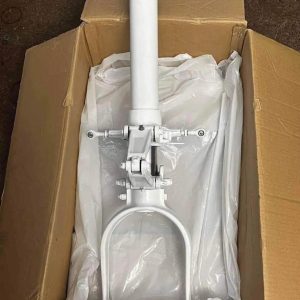
The Cessna Nose Gear Strut Assembly should be selected only after confirming the aircraft model, serial-number range, mounting arrangement, dimensions, included hardware, inspection history, and technical documentation.
Whether buyers search for a Cessna Nose Landing Gear Strut, Cessna Nose Gear Assembly, Cessna Landing Gear Strut, or Cessna Nose Strut, exact part identification should guide the purchase.
The Cessna Front Landing Gear Assembly, Aircraft Nose Gear Strut, Aircraft Nose Landing Gear Assembly, and Cessna Shock Strut Assembly terms describe related ground-support and impact-management components.
The Cessna Nose Gear Shock Absorber, Cessna Landing Gear Assembly, Aircraft Landing Gear Strut, and Cessna Nose Wheel Strut phrases highlight the component’s role in supporting loads and controlling ground impacts.
General Aviation Landing Gear Parts listings should provide exact identification, condition, measurements, records, and included components for professional evaluation.
Why Exact Landing Gear Identification Matters
The seller should provide clear photographs of the cylinder, piston, fork, steering features, mounting points, torque links, hardware, and identification markings.
Included items may vary and can involve the strut body, piston, fork, axle, torque links, steering collar, seals, bearings, spacers, hardware, wheel, or tire.
Understanding Ground Loads on the Front Gear
The strut must manage those loads without excessive looseness, binding, deformation, leakage, or structural distress.
Inspection should extend beyond the removable assembly to the mounting areas, firewall or support structure, brackets, steering components, wheel fork, and surrounding fasteners where applicable.
Shock Absorption and Strut Compression
The exact method may involve hydraulic fluid, compressed gas, seals, metering features, mechanical components, or a combination determined by the aircraft design.
Incorrect pressure or fluid quantity can influence ground clearance, steering, ride quality, and structural loading.
Nose Wheel Steering and Directional Control
Each Aircraft Landing Gear Strut component should move smoothly and remain free from excessive play, binding, distortion, corrosion, and unsuitable modification.
Towing procedures should respect the aircraft’s steering limitations.
Matching the Strut to a Specific Cessna Aircraft
Model-specific verification reduces unsuitable purchases and installation delays.
Supplemental modifications, replacement forks, wheel conversions, tire changes, steering alterations, and airframe repairs can affect compatibility.
Protecting Smooth Strut Operation
Paint, grease, or contamination should not conceal suspected defects.
Internal wear can result from contamination, damaged seals, misalignment, corrosion, or prolonged operation with incorrect servicing.
Understanding Strut Seal Maintenance
Repeated wiping without correcting the source does not constitute proper repair.
Seal replacement should use components appropriate to the exact strut assembly and aircraft configuration.
Evaluating Coastal and Outdoor Storage Damage
Surface discoloration should be evaluated rather than dismissed automatically as cosmetic.
Fresh paint may improve appearance while concealing corrosion, filler, weld repairs, or damaged surfaces.
Crack, Bend, and Impact-Damage Inspection
High-stress areas can include attachment points, fork transitions, axle regions, steering features, torque-link mounts, and previous repair locations.
A damaged assembly may also indicate concerns in the surrounding airframe structure.
Maintaining Wheel and Tire Geometry
A complete strut listing should state whether the fork, axle, spacers, wheel, bearings, tire, and hardware are included.
Incorrect wheel spacing or fork alignment can create uneven loading and interference.
Evaluating Wear and Side Play
Excessive play can contribute to wheel misalignment, vibration, shimmy, and accelerated component wear.
Improperly installed bushings, unsuitable bolts, missing washers, or altered holes can affect steering and strut movement.
Diagnosing Cessna Nose Gear Handling Concerns
Nose-wheel shimmy can result from worn bushings, loose torque links, tire imbalance, wheel-bearing play, incorrect tire pressure, steering looseness, alignment issues, or structural wear.
Uneven tire wear can indicate alignment concerns, fork distortion, bearing issues, incorrect pressure, steering problems, or repeated side loading.
Understanding Strut Inflation Procedures
Values from another Cessna model should not be applied without verification.
Pressurized components require suitable precautions because uncontrolled release can cause injury or damage.
Distinguishing Inspection from Overhaul
The exact scope should be defined in the work records rather than assumed from the word overhauled.
Reconditioning decisions depend on structural condition, dimensional limits, corrosion depth, surface damage, repair data, parts availability, and cost.
Evaluating a Used Landing Gear Component
A pre-purchase review should confirm the exact part number, configuration, aircraft applicability, serial markings, dimensions, included components, removal reason, condition, repair history, and documentation.
- Resolve identity, applicability, condition, and package-completeness questions before payment.
- Confirm total time when known, removal reason, donor aircraft, overhaul history, servicing status, seal replacement, and inspection results.
- Inspect and photograph the assembly immediately after delivery before cleaning, servicing, disassembling, repairing, painting, or installing it.
Safe Freight Handling Procedures
The chrome or polished piston area should receive protective wrapping that prevents impact and contamination without trapping moisture.
Careful freight preparation reduces damage to the Cessna Landing Gear Assembly.
Preparing a Stored Assembly for Service
The assembly should not rest directly on delicate fittings, the axle threads, polished surfaces, or unstable supports.
Identification records, inspection tags, hardware, seals, and supporting documents should remain associated with the correct assembly.
Completing Wheel and Strut Alignment
Professional installation protects the aircraft and Cessna Nose Gear Strut Assembly.
Disciplined workmanship supports reliable Cessna Front Landing Gear Assembly operation.
Taxi checks should begin conservatively and should monitor shimmy, pulling, vibration, abnormal noise, leakage, and steering behavior.
Reducing Landing Gear Wear
Routine maintenance should include inspection of the piston, cylinder, seals, fluid leakage, extension, fork, axle, wheel, tire, bearings, torque links, steering parts, fasteners, and mounting structure.
Preventive care protects the aircraft, occupants, and landing-gear components.
Evaluating Used Aircraft Gear Pricing
The commercial value of a Cessna Nose Gear Strut Assembly depends on exact identification, aircraft applicability, completeness, physical condition, corrosion status, leakage, repair history, overhaul records, included hardware, and documentation.
Total project cost may include the purchase price, freight, inspection, seals, bushings, bearings, hardware, wheel or tire components, overhaul labor, servicing, alignment, installation, and documentation.
Choosing the Cessna Nose Gear Strut Assembly
The Cessna Nose Gear Strut Assembly can provide valuable replacement, restoration, overhaul, maintenance, inventory, or resale potential when its identity, configuration, condition, completeness, and aircraft applicability are verified.
The assembly should be evaluated with the receiving aircraft’s structure, steering, wheel, tire, alignment, servicing, and installation requirements in mind.
Whether the assembly is purchased for maintenance, overhaul, restoration, spare inventory, resale, or an aircraft project, transparent information and qualified oversight provide the strongest foundation.
With responsible purchasing, crack and corrosion inspection, seal evaluation, correct hardware, controlled servicing, and ground-handling checks, the component can remain a valuable aviation asset.
Report this page